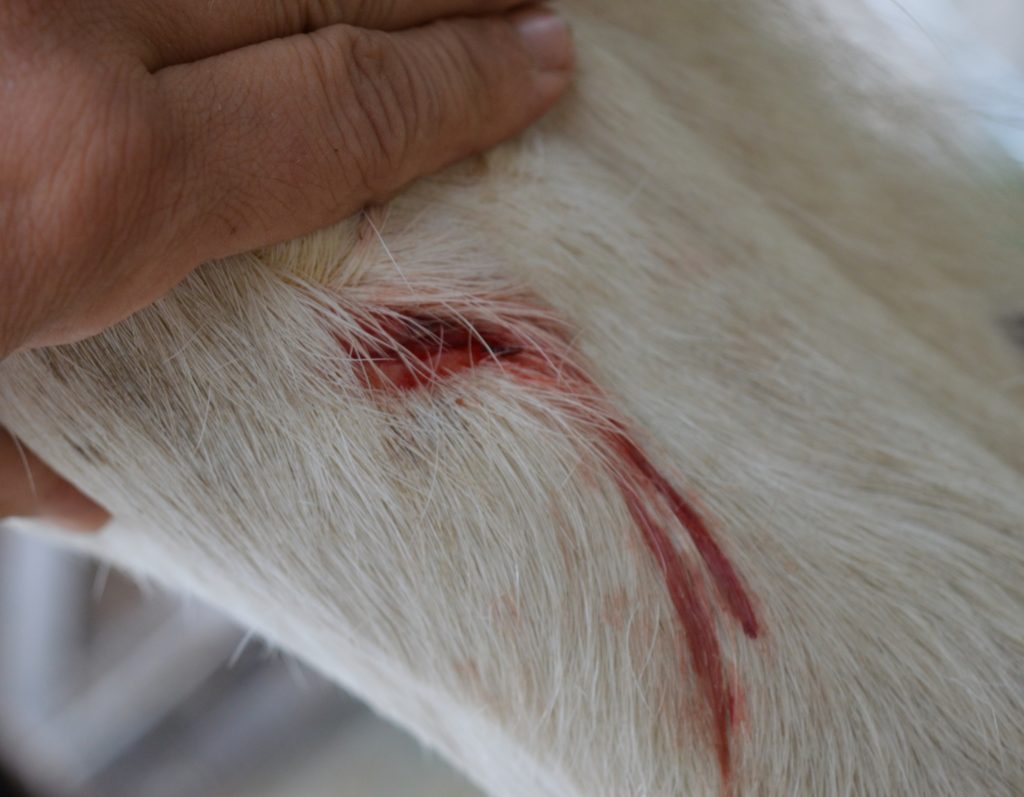

Wounds in Horses and Dogs – Care Instructions and SOLHEDS Natural Products
Wounds in Horses and Dogs – General Information
Wounds are unfortunately common in horses. As a prey animal, a horse often reacts by fleeing, which can lead to injuries. In dogs, typical wounds include paw pad injuries and bite wounds.
When an injury occurs:
- Move the animal to a well-lit area
- Assess the extent of the wound
- Clean the wound thoroughly, preferably with running water
- Apply a pressure bandage if needed
If bleeding does not stop quickly, or if the wound is near a joint, close to the eyes, or is a bite or deep puncture wound, contact a veterinarian. These wounds in both dogs and horses tend to become inflamed easily and almost always require professional care.
Natural Wound Care Products for the Treatment of Horses and Dogs
Antiseptic Derma1 Skin Care Shampoo Cleans wounds effectively without irritating the skin. Removes dirt and helps prevent infection. Soothes inflamed skin and softens scabs.
Antimicrobial Derma6 Wound Oil Non-stinging oil promotes healing by providing moisture and omega-3, -6, -7 fatty acids. Supports skin regeneration and does not form a harmful film on the wound. Natural scent helps keep flies away
Antimicrobial Derma5 Germ Fighting Cream, Wound Cream Provides moisture and omega-3, -6, -7, -9 fatty acids to support skin regeneration. Relieves itching and softens scabs. Absorbs well without leaving a dirt-trapping surface, preventing anaerobic conditions that favor pathogens.
Daily Wound Care and Cleaning
Clean the wound daily to prevent infection. As healing progresses, especially in dogs, gently wipe the wound with a clean solution (e.g., 0.9% NaCl). Supports proper wound healing and reduces the risk of complications
Aftercare and Skin Regeneration
Derma2 Calming Serum Supports post-wound skin and hair coat regeneration. Suitable for horses and dogs, especially in areas with thinning hair.
Derma10 Heel Balm Softens and cares for scars. Helps maintain healthy skin and prevents further injury
The natural scent of SOLHEDS wound care products keeps insects away and reduces, or even prevents, dogs from licking the wound.
Perfect for natural wound care in horses and dogs
Wound healing process
The wound process if divided into 4 stages.
1) in inflammation stage the body attempts to protect against the threats of the open wound: such as blood loss, access of foreign particels
2) in debridement stage the body attempts to clean dead tissue and foreign particles,
3) in repair stage, the body activates to repair the damage area,
4) in maturation stage, the body finalizes the repaired new tissue patch. The stage, location and severity of the wound has impact on its’ treatment, which is best evaluated by veterinarian.
The large fleeing animals such as horses, are prone to accidents. There are different kind of wounds. Stab, incision, bite and large wounds usually require a consult from veterinarian. A veterinarian should always be consulted if/when you are uncertain of the treatment. First aid in accidents is to stop the bleeding by compression. The wound should be cleaned thoroughly. Rinsing the wound with water is an efficient way in cleaning the external dirt from the wound.
Wounds are vulnerable to infections. The good wound management is based on keeping the wound clean, preventing infections and supporting the tissue regeneration. Disinfection and antimicrobic compounds are used in the prevention of infection. Povidone iodine, hexetidine, chlorhexetidine and ethanol based products are typical synthetic antimicrobic compounds, which destroy/kill wide range of various microbes. The side effect of these compounds is that they can cause skin irritation and inhibit the tissue regeneration. Ethanol based products usually cause stinging resulting animals to resist the treatment due to the discomfort. Tissue regeneration can be supported by providing moisture on the wound. Many natural compounds e.g. pure essential oils: lavender, mint, lemongrass, thyme, oregano and many others have antimicrobic properties.