

Autumn Moisture and Winter Frost Challenge the Dog’s Skin
In autumn, temperatures fluctuate strongly – from almost summer-like days to cold nights. Humidity is high, and rainfall increases it even further. With winter frosts, skin challenges grow: the skin dries out, and its natural protective barrier weakens.
Moist skin provides a favourable environment for microbes, such as bacteria, making the skin more prone to infections. Typically, the first problems of autumn appear as reddened paws, which can progress to paw infections. Therefore, the most important prevention is to keep the paws clean and dry. The hair between the paw pads should also be kept short, making it easier to dry and clean between the toes.
For dogs with sensitive skin, paw infections can become a chronic problem. In such cases, the paws can be disinfected with an antiseptic shampoo if needed, even daily. However, the problem is that many medical and antiseptic shampoos contain strong detergents. When strong cleansing agents are combined with antiseptic ingredients, the treatment becomes too aggressive for many dogs, and the skin gets further irritated.
Antiseptic Derma1 Skin Care Shampoo offers a gentle alternative: it cleans effectively without drying out the skin, cools itchy skin, and softens possible scabs.
Treatment of Inflamed Skin
Inflamed skin is treated daily with antimicrobial creams, and antiseptic washes can be used to support the treatment if needed. Good absorption of the cream is essential to avoid a thick greasy layer and trapped dirt creating oxygen-poor conditions. Many germs of severe skin infections thrive in oxygen-poor environments.
A good antimicrobial cream combines antimicrobial effect, moisturization, and essential fatty acids that support skin regeneration and healing.
- Antimicrobial Derma5 Germ Fighting Wound Cream absorbs well, provides moisture and fatty acids, and supports healing of damaged skin. Recommended morning and evening use.
- Derma13 Zinc Solution is a zinc-based cream that also provides moisture and fatty acids. It absorbs exceptionally well for a zinc cream and is especially suitable for purulent skin infections. Recommended morning and evening use.
⚠️ Note: If the skin infection is extensive, long-lasting, or severe, a veterinarian should always assess the situation and the possible need for systemic antimicrobial treatment.
Secondary Infections such as Yeast Infections
Many skin infections in dogs are secondary. Yeast infections are practically always such – they are secondary to another primary disease. The most common underlying factor is allergy, which weakens the skin’s resistance and predisposes it to infections.
The actual skin infection is treated as described above, often with antiseptic washes to remove yeast. However, the key is to identify and avoid the allergen, which may come from the environment, food, or even care products.
The weakened skin’s resistance can be supported with topical care. The goals of topical care are:
- to strengthen the skin barrier,
- to reduce microbial load,
- to calm allergic inflammation, and
- to improve the skin’s ecological balance to support regeneration.
The overall aim is to strengthen the skin’s resistance. Again, good absorption of the care product is essential to avoid oxygen-poor conditions that favour infections.
Derma2 Calming Serum and Derma11 Anti-Itch Spray absorb well and are excellent for strengthening the skin barrier and supporting the skin’s natural defenses.

Dogs’ Ear Problems
Autumn’s humidity and winter frost also bring ear problems. Recurrent yeast and ear infections are more common in dogs with floppy ears, where ventilation of the ear canal is weaker.
Excessive hair in the ear canal should be trimmed to improve air circulation and moisture evaporation. For dogs prone to ear problems, whose ears easily get dirty and inflamed, regular – for example weekly – cleaning with a suitable product supports the ears’ resistance to infections. Dirty skin and ears are more easily infected.
Derma8 Ear Cleaner Sensitive is a gentle yet effective solution for ear cleaning. It dissolves dirt and wax, treats early yeast infections, and is also suitable for cats.

Allergic, Atopic Skin
Skin problems worsen as autumn progresses into winter. Reduced skin resistance makes infections more likely, and itching leads to scratching and skin injuries. However, the key is to identify and avoid the allergen, which may come from the environment, food, or even care products. Sensitive skin should be considered in all care products, from shampoos to paw balms.
Skin resistance can be supported with topical care. The goals are the same as with yeast infections:
- to strengthen the skin barrier,
- to reduce microbial load,
- to calm allergic inflammation, and
- to improve the skin’s ecological balance to support regeneration.
Derma2 Calming Serum and Derma11 Anti-Itch Spray absorb well and are excellent for strengthening the skin barrier and supporting the skin’s natural defenses.
All our products are developed to minimize chemical irritation to the skin. Therefore, they are well-suited even for dogs with sensitive skin – from shampoos to paw balms.

Wounds
Small surface wounds (e.g., scratches, abrasions) often heal well with proper home care. An open wound should be cleaned with water. A good wound spray or wound ointment supports healing, relieves itching, provides moisture to the wound, and helps prevent infection without attracting dirt. Avoid thick, dirt-attracting ointments and occlusive dressings that could create oxygen-deprived conditions.
The antimicrobial and sting-free Derma6 wound spray and Derma5 Germ Fighting wound cream keep the wound clean and provide fatty acids and moisture that are important for skin repair.
Avoid wound care products containing ethanol/alcohol. Ethanol stings the wound and dries out the wound and surrounding skin, which can impair healing.
Bite wounds, stings, and large wounds are prone to infection and always require veterinary care.

Washing and Coat Care
Autumn mud, slush, and frost challenge the dog’s coat and skin. Regardless of breed, the coat needs basic maintenance – above all, cleanliness. Since most dogs live closely with their families, cleanliness is important for both dog and humans.
BRUSHING
Some breeds require daily coat care, but regardless of breed, weekly brushing is recommended. At the same time, check ears, paws, armpits, and groin – areas prone to tangles and skin issues. A tangle that cannot be brushed out should not be torn but cut away.
WASHING
Dogs should be washed when the coat is dirty, tangled, greasy, or when the skin has accumulated dirt. Dirty skin is more prone to damage. Friction from tangles can be painful and cause skin infections.
A skin-friendly shampoo has neutral cleansing agents and does not remove too many of the skin’s and coat’s natural fatty acids. These are essential for the protection of skin and coat, as well as for shine and weather resistance. Particularly in sensitive and allergic dogs, strong detergents such as sulfates should be avoided.
In muddy weather, rinsing alone is often not enough. A light wash of paws and belly with diluted shampoo removes dirt, road salt, and mud effectively down to the skin.
Moisturizing Derma4 Gentle Shampoo and odourless shampoo are neutral, mild cleansers that does not dry out the skin or wash the coat too aggressively. The concentrate can be diluted to 1:20 according to how dirty the dog is. The shampoo leaves a natural fatty-acid-based shine and reduces dandruff.

COAT CARE
After washing, coat care may be applied to breeds prone to tangling. The goal is to make detangling easier, increase shine, strengthen the coat, and ideally also moisturize and care for the skin.
The most common ingredient is silicone, which makes the coat smoother and effectively detangles. However, silicone is a large molecule that adds weight to the coat and reduces volume. It accumulates easily, forming an impenetrable layer. Excessive use of silicone products can also cause skin problems, and removing silicone requires strong cleansers.
Derma9 Luxury Shine & Care is a moisturizing care spray for coat and skin. It helps detangle, reduces static, moisturizes, and cares for both skin and coat. It leaves a beautiful natural shine and a surface that repels dirt and snow. It does not contain silicone. Excellent as a moisturizing spray also for hairless dogs.
Intensive care Derma15 Lusterious Conditioner nourishes coat and skin, helps with detangling, adds volume and shine, and reduces static and dandruff. The thinner and finer the coat, the more it should be diluted. It does not contain silicone.

Dry flaky skin
As winter progresses, many dogs experience dry and flaky skin. Brush away the flakes and keep the skin area clean. Use Derma9 Luxury Shine & Care Spray to provide moisture to the skin. When washing, use neutral cleansers and avoid anionic detergents, such as sulfate-based shampoos. Harsh anionic cleansers wash too aggressively away the fatty acids that protect the skin and coat. Derma4 Gentle Shampoo does not dry out the skin; instead, it moisturizes while leaving a beautiful shine and reduces dandruff. Derma4 Gentle Shampoo is concentrated and should be diluted according to the level of dirt on the dog.
Paw care
Wet weather and winter frost put paw pads under strain. The skin on the pads dries out, and the skin barrier weakens. Many dogs need regular care for their paw pads to withstand winter stress without damage or cracks.
Paw Function
Paw pads are the point of contact with the ground and endure the most strain. They harden and thicken over time and use. The rough surface also provides grip on slippery surfaces. Moisture and winter frost are a major strain on the paws.
Dogs regulate their temperature by panting and sweating through their paws. The paws are the only place where dogs sweat, making them an essential part of thermoregulation.
CARE
Healthy paw pads withstand strain better. Regular checks and care prevent many paw problems.
- Keep paws clean
Dirty skin is prone to damage and infection. Gravel, salt, and sharp stones strain the paws and can cause scratches. A light wash with diluted shampoo effectively removes dirt, road salt, and mud down to the skin. Damaged skin should be washed with antiseptic shampoo. The hair between the paw pads should be kept short for better grip and drying. It is important that paws are dried properly, since moist skin provides an excellent breeding ground for pathogens.- Derma4 Gentle Shampoo – gentle for basic cleaning
- Derma1 Skin Care Shampoo – for antiseptic washing
- Moisturize when needed
The elasticity of the paw pads can be improved with a paw balm containing fatty acids. A good balm absorbs quickly and does not clog the skin or block sweating. Thick ointments (e.g., vaseline, paraffin, waxes) should be avoided, as they can interfere with the paw’s natural function. Even natural active substances (resin, tar, tea tree oil) are intended for problem situations, not for everyday paw care.
Product safety should also be considered: the packaging should be a closed bottle or tube to avoid contamination. Begin caring for paw pads early if you know they tend to dry or crack easily.
Derma10 Heel Balm is a water-free and well-absorbing paw balm. It strengthens the skin barrier, increases elasticity, and improves resistance to frost and stress. By applying it also to the hair between toes, snow clumps can be prevented. The balm does not interfere with the natural function of the paws.


In many skin issues, it is important to consult a veterinarian in time. Whenever you are unsure, or if the skin problem is extensive and long-lasting, turn to your veterinarian.
Animal Care Products
When choosing care products, especially for sensitive skin and treating damaged skin, caution must be exercised. Safe and effective animal care products are not a given on the market.
According to regulations, animal care products are technical preparations; legally, animals are objects. The product safety required by authorities for animal products is the same as, for example, house paint or car products. Products may contain ingredients that are harmful to animals and completely unsuitable for animal care products. The manufacturer determines their own quality and product safety level, not the authorities. Animals are not protected by law as humans are through cosmetics legislation (shampoos, skin care products, etc.).
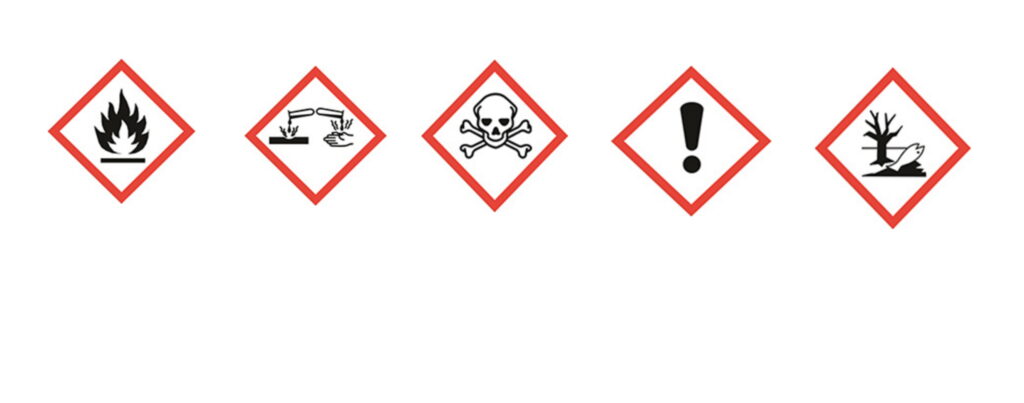
Avoid products without ingredient lists and those containing chemical hazard warnings (corrosive, flammable, etc.). Choose products where you can verify the manufacturer’s competence in the field, not just mentioned anonymous experts and influencers’ praise. A well-known brand or natural product is not a guarantee of product safety.
Read more on product safety here.

SOLHEDS Derma products are proven, effective natural products. The products use only pure, analyzed raw ingredients and are designed to support the skin’s physiological functions. Thanks to their minimal chemical content, SOLHEDS Derma products are gentle on sensitive skin, minimizing chemical burden on the skin. They are also suitable for puppies.
SOLHEDS – when your dog deserves safe and effective care.
On our website, www.solheds.com, you can find guidance on caring for your dog’s skin, skin problems, paws, and coat in a skin-friendly way.
SOLHEDS products are industry leaders in animal product safety.

Graduated with a Master of Science from the University of Helsinki
Work experience: Researcher at the Veterinary School, Acting Senior Lecturer in Biochemistry.
Over 20 years of international leadership positions in the pharmaceutical and biotech industries. Professional in drug development.
Developer of the SOLHEDS product line.
Clinical study of summer eczema in horses, Veterinary Days 2015, Helsinki.
The SOLHEDS product line was originally developed for the treatment of the author’s own horse’s summer eczema and dog’s hotspots, as well as the author’s own skin problems.
Studied summer eczema in horses for over 20 years and treated over 200 horses with summer eczema and numerous mud fever horses and dogd with skin problems.
Suomenratsut ry awarded Saija the Horse Welfare Award in 2018.
