

Protecting Animals’ Skin from the Sun
Animals’ skin is exposed to the sun’s UVA and UVB radiation, particularly from spring through autumn. While the coat provides natural protection, light- or pink-skinned animals, as well as thin-coated or hairless areas, are highly susceptible to sunburn. Choosing the right sunscreen for animals and implementing preventive skincare are essential to avoid skin damage.
Why is sun protection important for animals?
UV radiation from the sun can cause:
- sunburn
- inflammation in damaged skin
- dryness and skin damage
- an increased risk of skin problems
Animals with light or pink skin, as well as areas with thin or no coat, are especially vulnerable.
Sun-sensitive areas in animals
Dogs and cats
- muzzle area (around the nose and nose tip)
- ears
- hairless or thin-coated areas
- scars and damaged skin
Horses
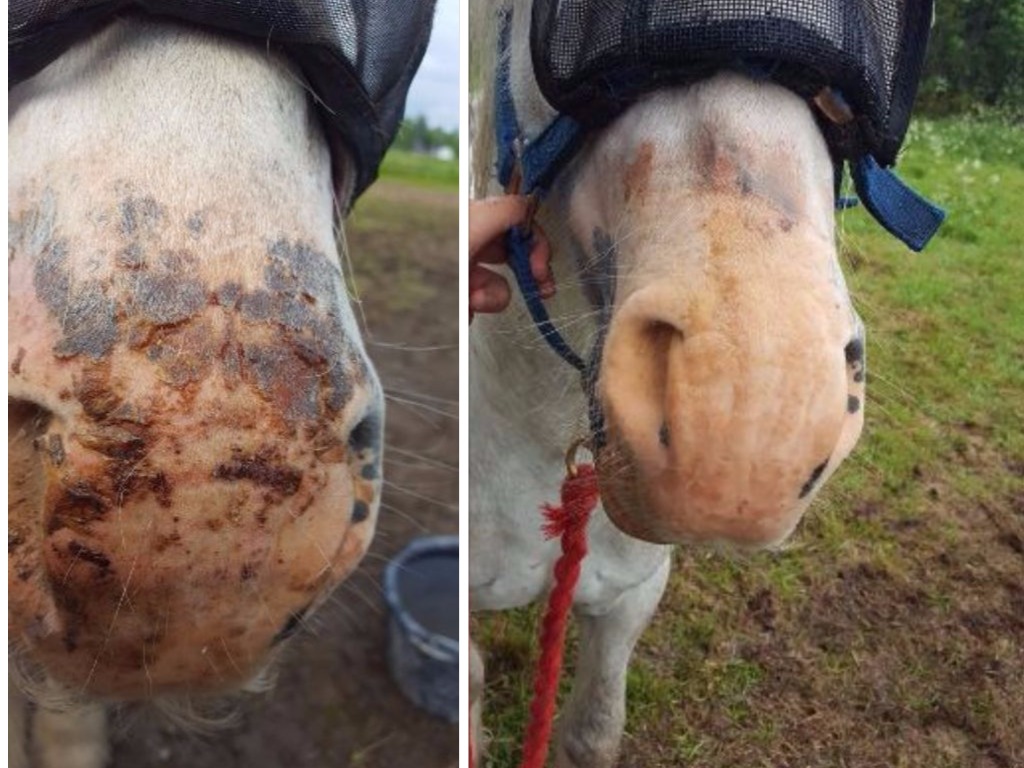
- muzzle
- blaze (white facial marking)
- white socks (lower legs/pasterns)
- scars and brand marks (hot iron branding)
You can learn more about important considerations regarding the safety of animal care products here.
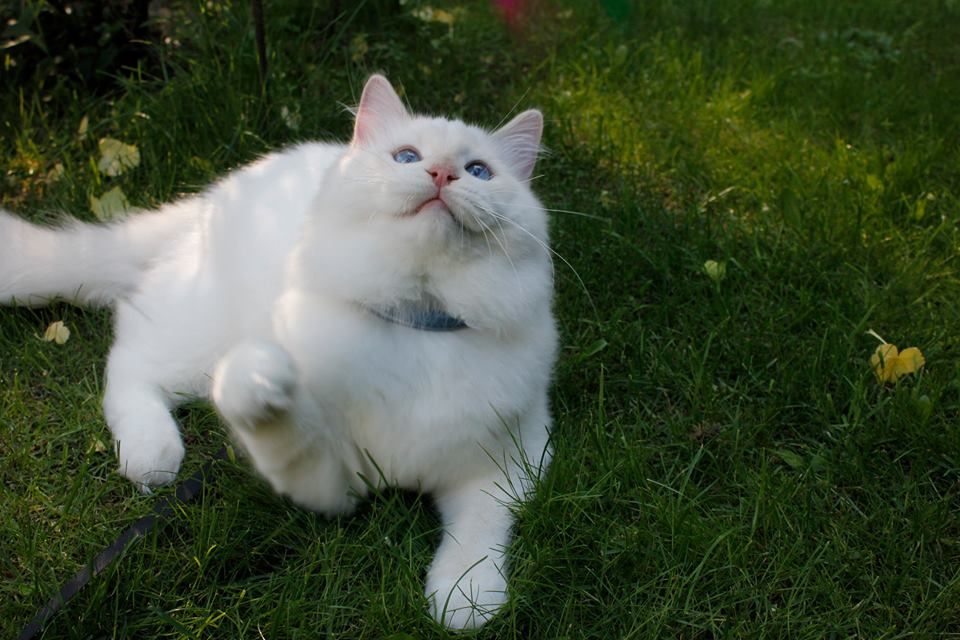
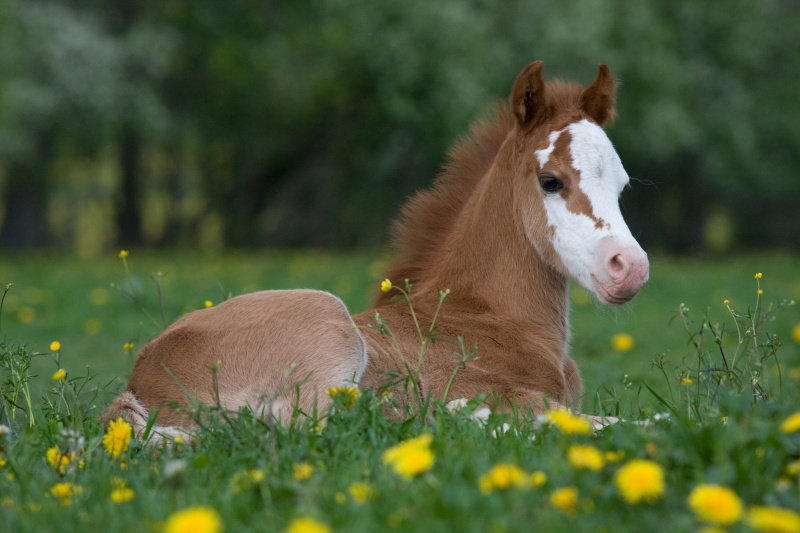
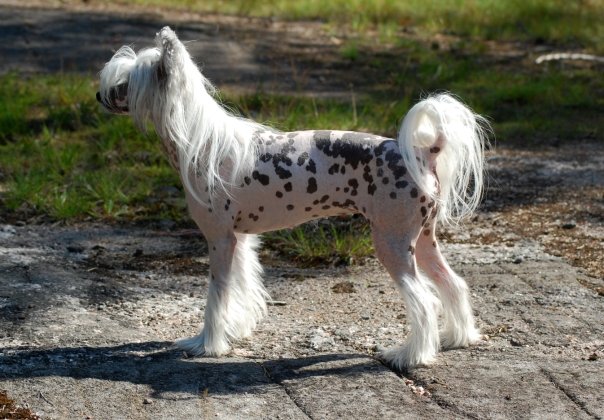
How to Protect Dogs, Cats, and Horses from UV Radiation
Physical Sunscreen for Animals – A Safe Choice
Physical sunscreen forms a protective layer on the skin that reflects UV radiation away from the surface. This makes it especially suitable for animals that may lick their skin, such as dogs and cats.
Chemical sunscreens, on the other hand, absorb UV radiation. Many of these ingredients can cause skin irritation in sensitive animals and may even be toxic if ingested, for dogs and particularly for cats.
Derma7 Soothing Sun Shield SPF 40+
Derma7 Soothing Sun Shield SPF 40+ is a water-resistant, high-protection physical sunscreen that:
- provides effective protection against UVA and UVB radiation
- contains a high level of aloe vera
- soothes and supports the skin (after-sun effect)
- is suitable for daily use
Directions for Use
- Clean the skin area thoroughly before application
- Shake the bottle well
- Apply a thin, even layer
- Reapply as needed during the day, especially during prolonged sun exposure
In Scandinavian conditions, horses on pasture have generally been well protected with once-daily application of Derma7 sunscreen.
Note
Zinc can be harmful to dogs and cats if ingested in large amounts.
Treating Sunburned Skin in Animals – How to Care for Dogs, Cats, and Horses
If the skin has already been sunburned, proper treatment helps speed up recovery and prevents further complications, such as skin infections.
For Sunburned Skin
Derma2 Calming Serum and Derma11 Anti-Itch spray helps soothe and hydrate the skin.
For severely sunburned, damaged, and peeling skin, an antimicrobial treatment is recommended:
Derma5 Germ Fighting Cream softens peeling skin, supports skin regeneration, and helps prevent infection in compromised skin.
Always apply products to clean, dry skin in a thin layer. Keep in mind that sunburned skin is sensitive and can be painful.
Protecting the Entire Animal from the Sun
When the whole animal needs protection, sunscreen alone is not the most practical solution.
Recommended:
- use a UV-protective rug or protective clothing
- protect sensitive areas both mechanically and with sunscreen, for example the horse’s muzzle
If the skin is severely burned, inflamed, or symptoms persist, always consult a veterinarian.
Criteria for a Good Sunscreen for Animals
A high-quality sunscreen for animals should meet the following criteria:
- SPF of at least 30 (in Northern Europe)
- protection against both UVA and UVB radiation
- water resistance
- easy application and spreadability
- non-sticky finish that does not attract dirt
- pH level around 7 (suitable for animal skin)
- long lasting
Derma7 Soothing Sun Shield SPF 40+ meets all of the above criteria.
Prevention Is the Best Protection
Spring sunlight can be surprisingly strong, and sunburn often occurs unnoticed. By protecting an animal’s skin in advance, painful skin damage and the need for aftercare can be avoided.
Can You Use Sunscreen on a Dog?
Yes. Sun-sensitive areas in dogs with light or pinkish skin should be protected with sunscreen.
Solheds Derma7 Soothing Sun Shield SPF 40+ is specifically developed for dogs
A good sunscreen for dogs is long-lasting, has a skin-friendly pH of 7, provides a physical UV barrier, does not leave a sticky surface that attracts dirt, and has a sun protection factor of at least SPF 30.
Derma7 Soothing Sun Shield SPF 40+ is specifically developed as a sunscreen for dogs and meets the stated criteria.
Yes. Dogs with light skin and thin coats can burn easily in the sun, especially around the muzzle near the nose tip, the ears, hairless areas, and sites of scars or previous skin damage.
The safest and best choice is a physical sunscreen that is long-lasting, has a high sun protection factor (at least SPF 30 in Northern Europe), is water-resistant, and has a skin-friendly pH of around 7.
Derma7 Soothing Sun Shield SPF 40+ is specifically developed as a sunscreen for dogs, cats, and horses and meets these criteria.
Localized sun-sensitive areas such as the muzzle, pasterns, and branding marks can be protected with sunscreen. For full-body protection, a UV-protective horse rug is recommended.
A good sunscreen for horses is long-lasting, has a skin-friendly pH of 7, provides a physical UV barrier, is water-resistant, does not leave a sticky surface that attracts dirt, and has a sun protection factor of at least SPF 30.
Derma7 Soothing Sun Shield SPF 40+ is specifically developed as a sunscreen for horses and meets these criteria.
If the skin is already sunburned, treat it with a soothing and hydrating product to help calm the skin and support recovery.
Derma2 Calming Serum and Derma11 Anti-Itch Sprayhelps soothe and moisturise the skin.
Protect the skin from the sun in advance to prevent sunburn and further skin damage.
If the skin is already sunburned, treat it with a soothing and hydrating product to help calm the skin and support recovery.
Derma2 Calming Serum and Derma11 Anti-Itch Spray helps soothe and moisturise the skin.
If the skin is severely sunburned, raw, or broken, there is an increased risk of infection. In these cases, apply the antimicrobial Derma5 Germ Fighting Cream, which softens the skin, supports recovery, and helps prevent infection in damaged skin.
Protect the skin from the sun in advance to prevent sunburn and further skin damage.