

PROTECT AND CARE FOR THE SKIN FROM INSECT BITES
SOLHEDS natural product guidelines for managing insect bites
Insect Bites and Allergic Reaction
Insect bites trigger an allergic reaction in the majority of animals, much like they do in humans. However, animal owners and carers do not always recognise these symptoms as an allergic response.
Itchy, tingling swellings and bite marks can easily become inflamed, particularly due to licking, rubbing and scratching. For many dogs and horses, insect bites require active and targeted skin care to prevent inflammation, skin damage and prolonged dermatological problems.
Care Guidelines for Insect Bites (Midges, Mosquitoes, Ants)
Typical Affected Areas in Horses and Dogs
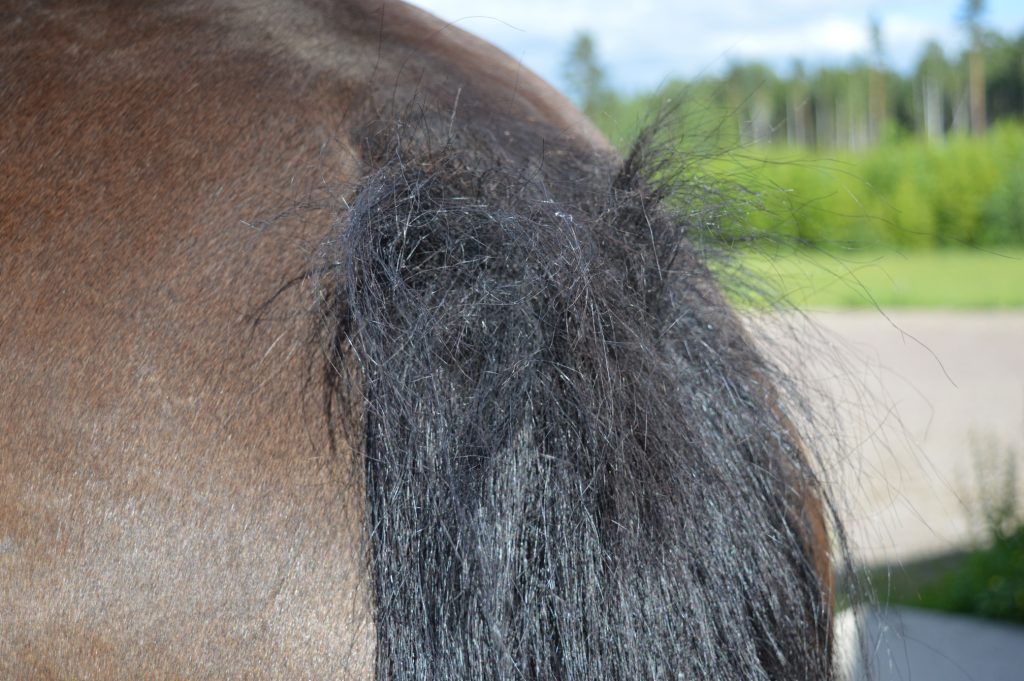
In horses, insect bites most commonly affect the neck, chest, tail, mane and the underside of the abdomen. As a result of repeated insect bites, horses may develop thickened, hardened, armour-like skin on the belly, as well as severely rubbed tails and manes caused by intense scratching. Both the abdominal skin and the tail and mane areas are often extremely itchy and tingling, causing significant discomfort for the horse.
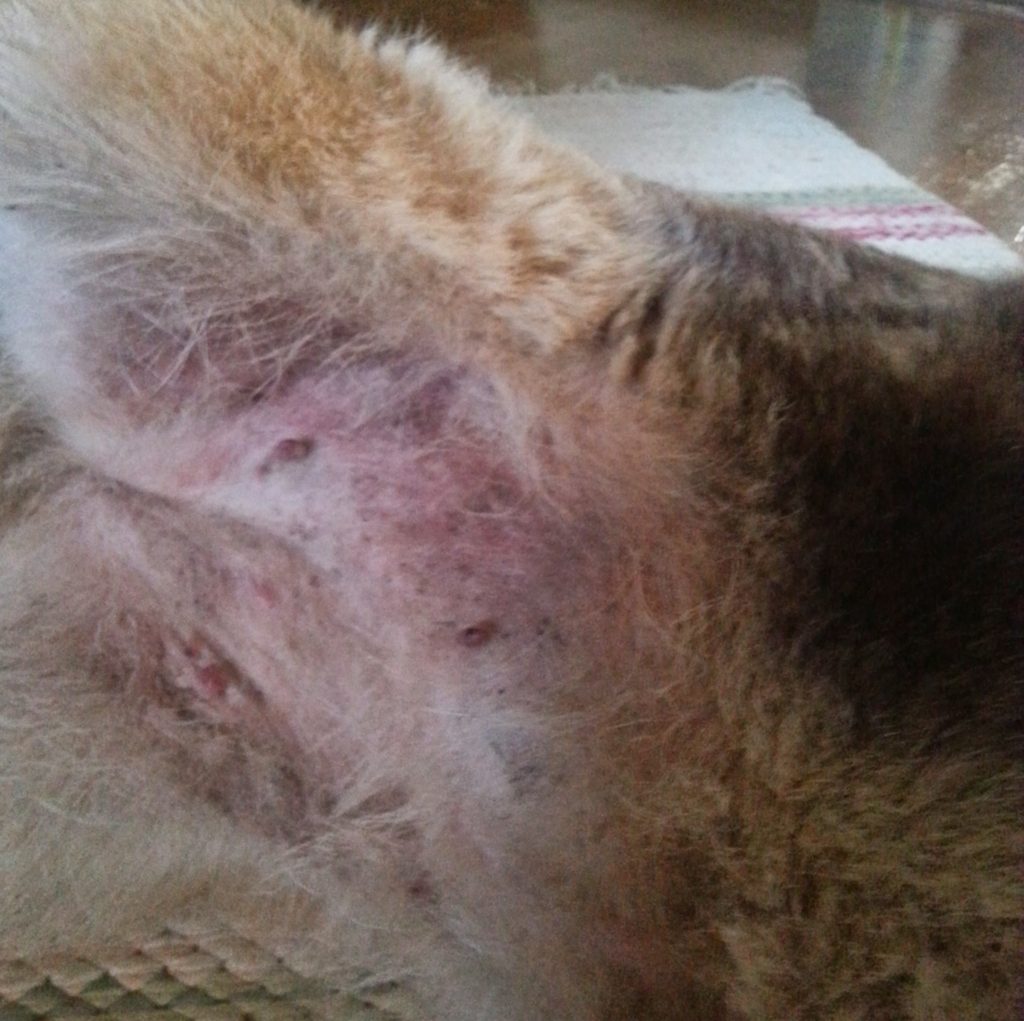
In dogs, insects tend to bite areas with sparse hair coverage, particularly the abdomen. This typically presents as redness, itching and localised inflammation.
With appropriate and timely skin care, insect-induced itching and tingling can be effectively relieved, while also preventing skin inflammation and secondary infections.
Principles of Treating Insect Bites
The treatment of insect bites follows the same general principles as caring for allergic skin. The key difference between animals suffering from chronic allergic dermatitis and those reacting allergically to insect bites lies in the severity of symptoms, as well as the intensity and duration of treatment required.
Inflamed skin should be treated according to established skin infection care guidelines. The earlier an owner recognises and treats an allergic reaction caused by insect bites, the better the treatment outcome and the lower the risk of secondary skin infections.
Product Recommendations for Symptom Relief
Itching and skin irritation caused by insect bites can be effectively relieved by using:
Derma1 Skin Care Shampoo – an antiseptic shampoo for cleansing the skin and reducing microbial load
Derma2 Calming Serum, or alternatively
Derma11 Anti-Itch Spray to soothe itching and skin irritation
These products help support the skin’s natural protective barrier and improve the animal’s comfort during insect season by reducing skin irritation caused by insect bites.
Guidelines for managing summer eczema in horses can be found here.

WASP STINGS IN DOGS AND CATS
Wasp stings often cause a stronger allergic reaction in dogs and cats than bites from smaller insects such as ants, mosquitoes or midges. The reaction may develop rapidly and typically presents as increasing swelling, pain and intense itching.
The sting site should be cooled with a cold compress as soon as possible. Local itching and skin reactions can be alleviated by applying Derma2 Calming Serum or Derma11 Anti-Itch Spray, both of which help soothe irritated skin.
If swelling at the sting site persists, worsens, or if the sting is located on the head, mouth or neck, there is a risk of respiratory distress. In such cases, the animal should be taken to a veterinarian immediately for assessment.
Product Safety in Animal Skin Care
Further information on what to consider regarding product safety in animal skin care can be found here.

Flies and Runny Eyes in Horses
Flies are particularly attracted to horses’ runny eyes and can significantly increase the risk of eye infections. Flies hovering around the eyes are also a constant source of irritation for the horse and negatively affect overall comfort and welfare.
Moist, discharge-covered skin around the eyes is delicate and vulnerable. Sun exposure can dry the discharge into the corners of the eyes, potentially causing irritation or even skin damage. Irritated or broken skin further increases the risk of skin infections around the eye area.
The skin around the eyes and the eye corners can be gently cared for by spraying Derma6 Wound Oil onto a cotton pad and carefully wiping away discharge from the eye corners. Derma6 Wound Oil supports the health of sensitive periocular skin, and its scent also helps repel flies.
For additional protection, the use of a well-fitting fly mask is recommended. A fly mask reduces irritation caused by flies and provides protection for the eye area against sunlight.
Horsefly and Black Fly Bites – Care for Open Skin
Horseflies and black flies can often break the skin when biting, increasing the risk of infection and necessitating careful treatment. If the skin is broken and/or weeping, follow these steps to care for the affected area:
Thoroughly wet the affected skin.
Wash the area with Derma1 Skin Care Shampoo and leave it on for 2–5 minutes. The shampoo softens scabs, allowing gentle massage to loosen them. Do not forcibly remove scabs.
Rinse the shampoo thoroughly.
Allow the skin to air dry or gently pat it dry.
Apply or spray Derma6 Wound Oil or Derma5 Germ Fighting Cream.
These products help to soothe the skin, reduce the risk of infection, and support healing of any existing inflammation. They also leave a subtle scent in the coat that helps repel flies, reducing further irritation. Following this care routine can prevent secondary infections and support recovery after insect bites.

Summer Tips for Managing Insects Bites
Untreated horsefly and other insect bites can become inflamed and harden, and firm scabs are easily rubbed open, increasing the risk of infection. Midge stings also stress the skin and weaken its natural defences, especially during the summer when insect activity is at its peak.
Regular skin care helps prevent severe skin damage and strengthens the skin’s resistance to insect bites:
Horses: Weekly washing with Derma1 Skin Care Shampoo and application of Derma2 Calming Serum to itchy or irritated areas, particularly the sheath (prepuce), teats, underbelly, and tail and mane region.
Dogs: Key risk areas include the spaces between the paw pads and the hairless belly. Anticipating and treating irritation promptly is important. Ants frequently cause skin reactions, especially on the belly. Treat affected areas following the same principles as described above as needed.
Washing a Sweaty Horse:
For a sweaty horse, add a capful of Derma4 Gentle Shampoo to a bucket of water and apply the diluted solution with a sponge over the wet coat. Rinse thoroughly with clean water. Derma4 Gentle Shampoo reduces water surface tension, allowing better penetration through the hair to cleanse sweat effectively. Since a sweaty horse attracts more insects, regular washing reduces the risk of bites.
Summer Skincare Routine for Horses:
Wash with Derma1 Skin Care Shampoo
Apply Derma2 Calming Serum to affected areas
Wash sweat off with diluted Derma4 Gentle Shampoo (one capful per 10L bucket is sufficient)
Print PDF instructions:
Video instructions:
Insect Repellents for Dogs, Cats and Horses
Insect Repellenging
Insects can be repelled using multiple strategies, and effective protection usually relies on a combination of methods.
Mechanical Protection
Simple mechanical barriers, such as fly sheets, nets, or sticky fly traps and flyrugs, can help reduce insect exposure.
Using Scent and Attractants
Insects can also be distracted by scent or heat, which reduces the overall insect load on the animal. Natural oils such as lavender, citronella, neem, and eucalyptus can act as repellents against midges, ticks, and flies. It is important to note that essential oils evaporate quickly, and their effect is often short-lived (typically up to 60 minutes). Longer-lasting protection can be achieved by blending different oils into a safe “scent cocktail.” Ethanol accelerates evaporation.
Keep in mind that horseflies are also attracted by heat, so scents alone may only partially repel them for short periods. Dark-coated horses tend to be bitten more often. Providing shaded areas on pastures is recommended to help keep horses cool and reduce insect bites.
Chemical Insecticides
Synthetic insecticides, such as permethrin, are also available on the market and are primarily neurotoxins. Their effectiveness relies on the greater sensitivity of insects compared to mammals. However, these products can cause skin irritation in sensitive or allergic animals, such as horses prone to summer eczema. Spray formulations should ideally be applied outdoors to minimise exposure for both the animal and handler. Dogs and cats lick themselves, which can lead to chemical absorption, so always check product suitability and follow manufacturer instructions carefully. Observe any hazard chemical warning labels and understand potential risks to the animal.
Topical Solutions
Localised topical solutions are suitable for pets. Horses at pasture, however, are exposed to larger numbers of insects, meaning higher doses may be required, which increases the risk of skin irritation.
Natural Insect Repellents – History, Use and Limitations
The use of natural substances to repel insects has a long tradition. However, under the EU Biocidal Products Directive, marketing highly effective natural repellents is essentially prohibited. This does not prevent the sale of products containing natural oils with insect-repelling properties, but they cannot be marketed explicitly as insect repellents. The intended purpose of the product determines whether it falls under the directive.
Natural substances are generally well tolerated, though animals can be allergic to them. Common insect-repelling natural oils include lavender, citronella, tar, neem, eucalyptus, clove, cedar, peppermint, cinnamon, catnip, tea tree, thyme, lemongrass, lemon, orange, basil, pine, and many other essential oils.
These strongly scented oils can deter insects such as midges, ticks, and flies. Insects detect the carbon dioxide exhaled by the animal using their sense of smell, and the oil scent “hides” the animal effectively. A limitation of natural oils is their rapid evaporation; their scent usually lasts around 60 minutes, especially if mixed with ethanol, which accelerates volatilisation.
A longer-lasting natural repellent can be created by blending several oils into a “scent cocktail.” However, no repellent provides 100% protection. Natural repellents can significantly reduce insect bites and stings but will not eliminate insects entirely.
Many natural products, such as creams, sprays, and shampoos, contain insect-repelling agents, but their effectiveness and duration vary. Regular and correct use is key to effective protection and maintaining skin health.
Safety and Application
Apply repellents to the coat or fur, avoiding direct application to the skin. This reduces the risk of irritation and ensures safe use.
For homemade repellents, test first on your own skin: if your skin tolerates the product for an hour in sunlight without reaction, it is likely safe for your animal.
Check the affected area and cool the skin immediately.
For effective care, use the antiseptic Derma1 Skin Care Shampoo and Derma2 Calming Serum.
If the sting is on the head, mouth, or neck, consult a veterinarian without delay.
Mosquito bites can cause itching and may trigger an allergic reaction. Relieve the discomfort with appropriate care.
For effective care, use the antiseptic Derma1 Skin Care Shampoo and Derma2 Calming Serum.
For insect bites, a soothing cream that relieves itching is usually most effective. If the skin is broken, it is important to disinfect the area, for example with an antiseptic wash.
For effective care, use the antiseptic Derma1 Skin Care Shampoo and Derma2 Calming Serum.